
Most people spend more time thinking about their bet selections than they do about the account those bets are placed through. That’s backwards, and a few simple habits fix it.
A betting account holds more sensitive information than most people realize. Payment details, personal identification, a running record of deposits and withdrawals and often a linked bank card or e-wallet sitting one login away from being accessed.
Despite that, account security is usually the last thing bettors think about, right up until something goes wrong.
So What can we do?

The good news is that securing a betting account properly doesn’t require technical expertise. It requires a handful of consistent habits applied every time you log in.
Getting the fundamentals right around a betway login is one of the simplest ways to protect both your money and your personal information, and it takes far less effort than most people assume.
Start With a Genuinely Strong, Unique Password
The single biggest security mistake bettors make is reusing a password across multiple accounts.
It’s understandable, remembering a different password for every platform is genuinely inconvenient, but it’s also exactly what makes credential theft so effective.
If one account gets compromised in a data breach somewhere else on the internet, and you’ve reused that same password for your betting account, attackers can simply try it there too.
A password manager solves this problem without requiring you to memorize anything. It generates a long, random, unique password for every account you use and fills it in automatically, meaning you never have to reuse a password out of convenience again. For an account tied to real money, this single habit does more for your security than almost anything else on this list.
Turn On Two-Factor Authentication and Actually Use It
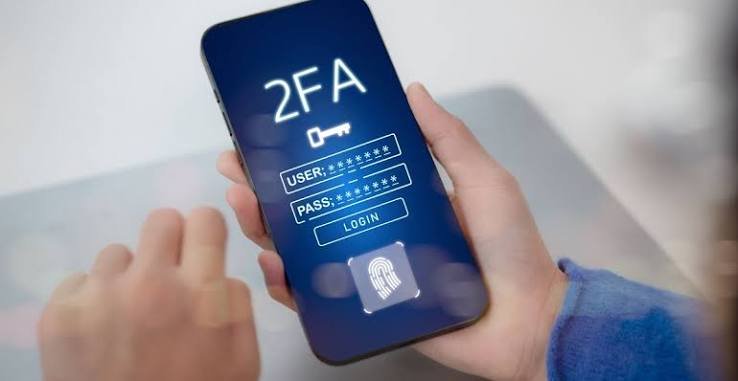
“Two-factor authentication adds a second verification step beyond your password, usually a code from an app on your phone, before anyone can access your account.
Even if a password is somehow stolen, an attacker still can’t get in without that second factor.
This matters more than most people assume.
Password security best practices in 2026 focus on three core principles: using long, unique passwords, adding two-factor authentication and staying actively aware of how and where you log in and accounts with two-factor authentication enabled block the overwhelming majority of automated credential attacks, the kind where bots try thousands of stolen username-password combinations against different platforms hoping one works.
An app-based authenticator is a stronger choice than SMS codes specifically, since text messages can be intercepted through SIM-swapping in ways that app-based codes can’t.
Setting this up on a betting account takes a couple of minutes and closes off one of the most common paths attackers actually use.”
Learn to Recognize a Fake Login Page
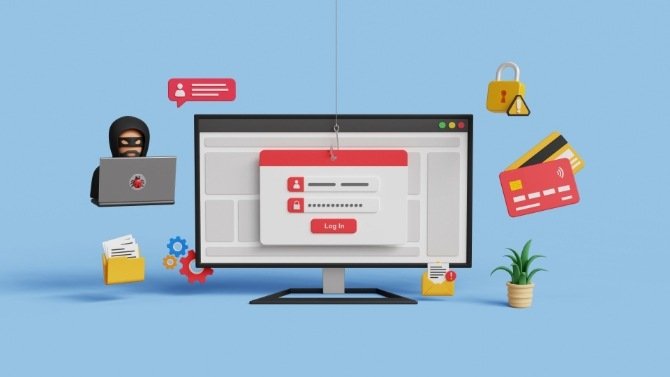
Phishing attempts targeting betting accounts have gotten considerably more convincing.
A fake email claiming urgent account verification is needed, a text message with a link that looks almost identical to the real site, these are designed specifically to catch people who are moving quickly and not looking closely.
The habit that protects against this is simple: never log in through a link sent to you.
If you get a message claiming there’s an issue with your account, close it, open your browser separately and navigate to the official site directly the way you normally would.
Bookmarking your betway login page and always accessing it that specific way removes the risk entirely, since a phishing link can only work if you click it in the first place.
Watch Where and How You’re Actually Logging In
Public Wi-Fi networks at cafes, airports or hotels are convenient, but they’re also considerably less secure than your home connection.
Logging into a betting account on an open network makes it easier for someone else on that same network to intercept your traffic, particularly if the site or app you’re using doesn’t have strong encryption in place.
If you need to check your account while out, using your phone’s mobile data instead of public Wi-Fi is a small habit that meaningfully reduces this risk.
It’s also worth periodically checking your account’s login history if the platform offers one, since an unfamiliar login location or device is often the first sign something’s wrong and catching it early makes a real difference.
Building These Habits Into Your Routine
None of this needs to feel like a burden. A password manager runs quietly in the background once it’s set up.
Two-factor authentication takes seconds once it’s enabled. Bookmarking your betway login page instead of clicking email links is simply a different click, not an extra step.
The same discipline applies to any account tied to real money or personal data, whether that’s a betting platform or the kind of secure setup covered in this look at high-quality online slots apps and the features worth prioritizing.
The habits that keep an account secure aren’t complicated, they just need to become automatic rather than something you think about only after a problem has already happened.
Security works best as a partnership between the tools you use and the awareness you bring to how you log in.
A strong password, a second verification step and the discipline to access your account the same trusted way every time cover the overwhelming majority of what actually goes wrong.
The bettors who take this seriously rarely think about it again once it’s set up properly, which is exactly the point.