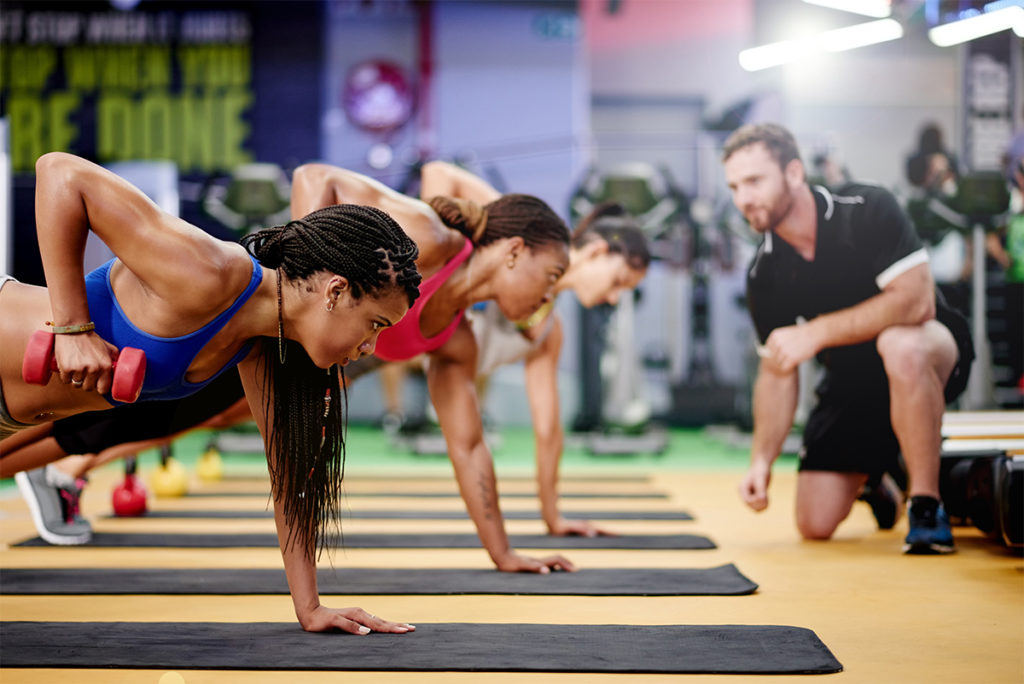
Walking into a packed fitness class can feel exciting and chaotic at the same time. Music is loud, people are moving fast, and instructors are trying to keep energy high while also making sure nobody gets lost halfway through the workout.
That balance is harder than it looks. Clear communication often decides whether a class feels motivating or frustrating.
Fitness studios have started using screens in smarter ways because visual guidance helps participants follow instructions faster and with less confusion. Good coaching still matters most, but digital support can make the entire experience smoother and more engaging for everyone in the room.
Why Visual Guidance Changes the Energy of a Class
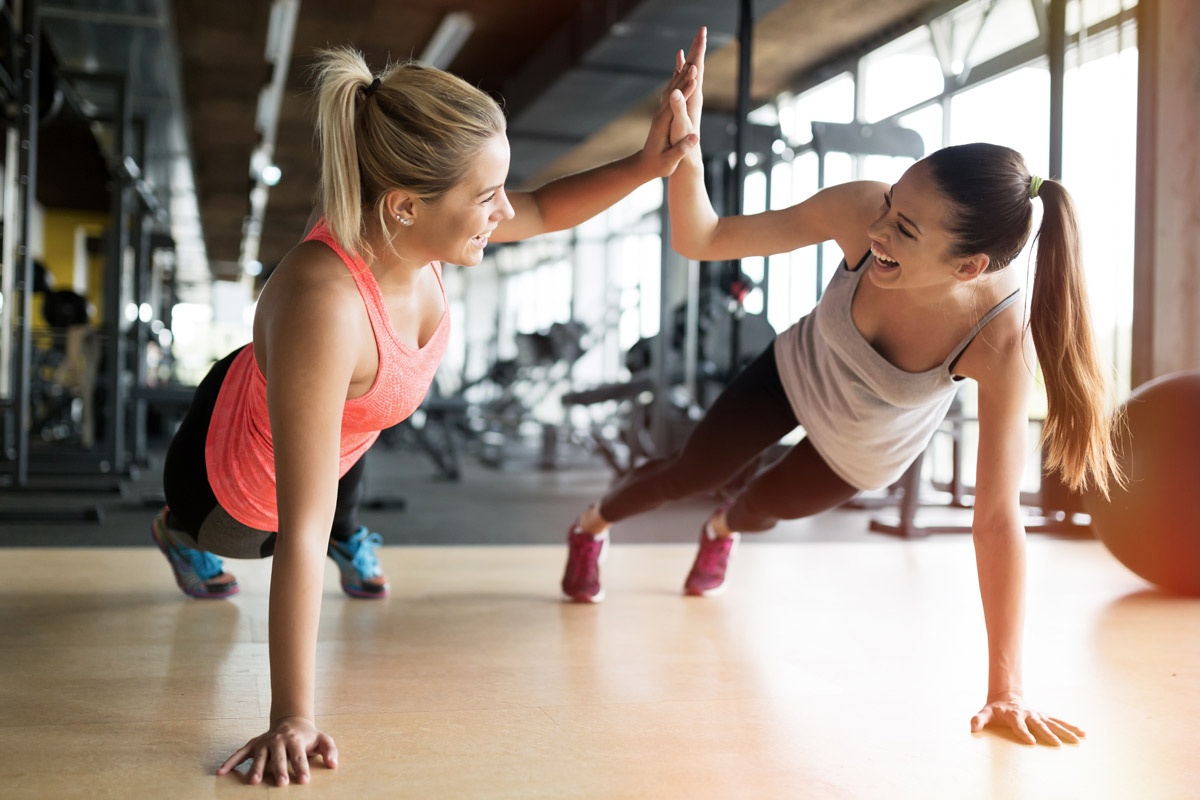
Group fitness moves quickly. One missed instruction can throw people off for several minutes, especially beginners who are still learning movement patterns and timing. Verbal coaching alone sometimes gets buried under loud music or distractions around the room.
Adding visual support creates another layer of clarity. Members can quickly glance at a screen and confirm the next movement, rep range, timer, or station rotation without stopping the workout flow.
Many studios now rely on tools like Workout Display Systems to organize classes more efficiently and reduce confusion during transitions.
That extra visual reinforcement also helps instructors focus more on coaching form and motivation instead of constantly repeating logistics. Participants stay engaged because they spend less time wondering what comes next.
A smoother class usually feels more professional, even when the workout itself is intense.
Better Instructions Mean Better Movement Quality
Clearer coaching is not only about convenience. It directly affects exercise quality and safety.
Research around group exercise instruction consistently shows that communication style and participant understanding strongly influence motivation and long term attendance.
Many people in group classes hesitate to ask questions. They do not want to interrupt the class or feel inexperienced in front of others. Visual instruction helps bridge that gap quietly.
Here are a few situations where screens improve movement quality:
- Demonstrating exercise order during circuit training
- Showing interval timers during HIIT sessions
- Displaying modifications for beginners
- Reinforcing proper pacing during endurance blocks
- Reducing downtime between transitions
Important note: Faster understanding usually leads to better form because participants can focus on execution instead of decoding instructions mid workout.
That difference becomes especially noticeable in larger classes where instructors cannot personally correct every participant at the same time.
Screens Help Coaches Stay More Connected to Participants
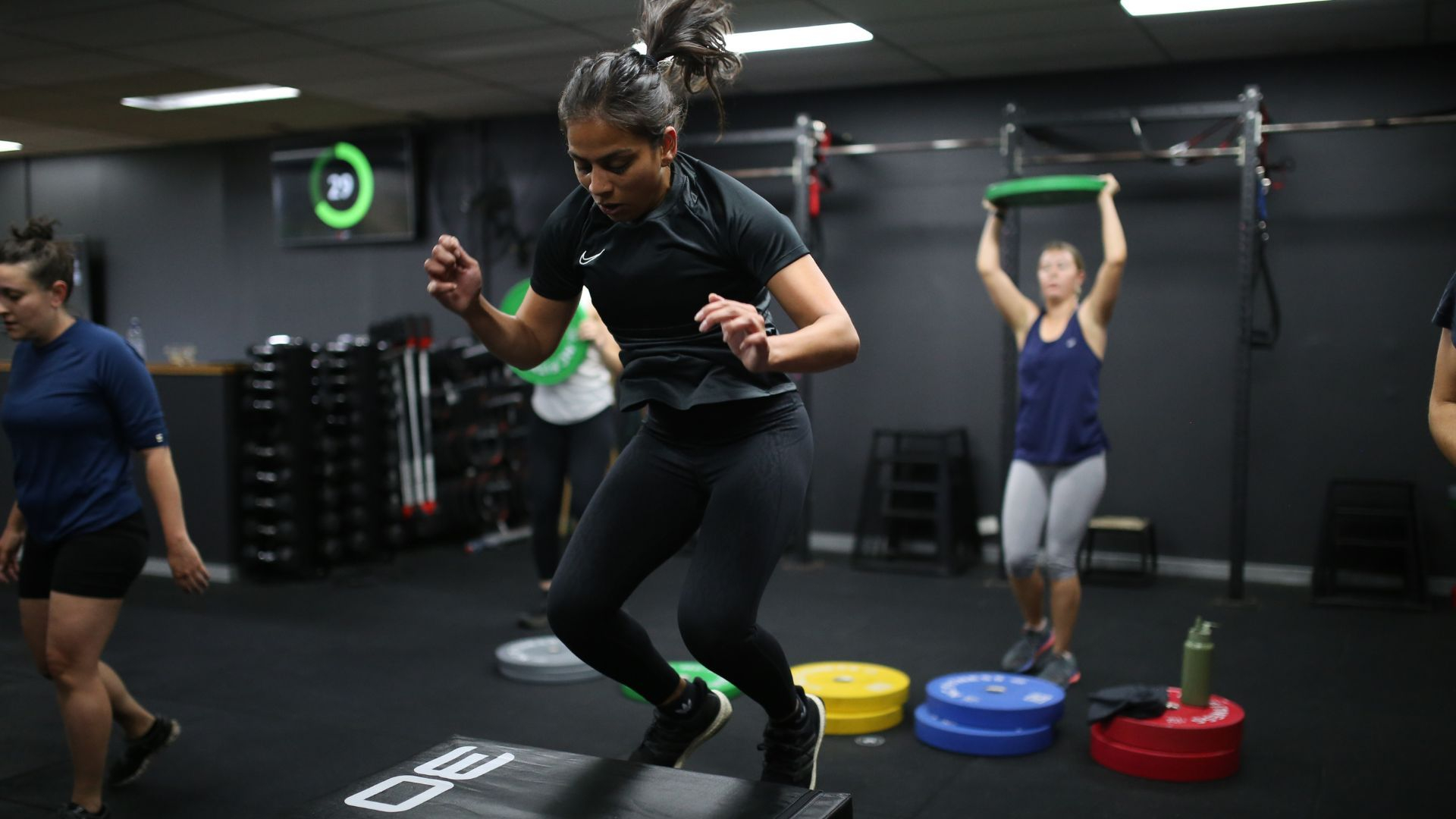
One surprising benefit of fitness screens is that they can actually make coaching feel more personal, not less. Without visual support, instructors often spend half the session repeating structure details:
“Three more rounds.”
“Next station after lunges.”
“Forty five seconds left.”
“Grab lighter weights.”
Repeating logistics constantly pulls attention away from coaching people directly. Screens reduce that workload and free instructors to interact more naturally with the class.
Instead of managing the room like an announcer, coaches can focus on things that truly improve the experience:
| Coaching Focus | Without Visual Support | With Screen Support |
| Form correction | Limited time | More instructor attention |
| Motivation | Interrupted frequently | More consistent |
| Class pacing | Repeated verbal reminders | Automated visual guidance |
| Beginner confidence | Lower | Higher |
| Transition clarity | Often rushed | Easier to follow |
Research around group fitness environments also shows that supportive coaching styles increase class enjoyment and retention. Better organization gives coaches more room to create that supportive atmosphere naturally.
Large Classes Become Easier to Manage
Anyone who has attended a crowded fitness class knows how quickly things can become messy during transitions. One group starts early, another group misses instructions entirely, and suddenly the room loses rhythm.
Screens help create consistency across the class. Participants receive the same information at the same time without relying entirely on verbal repetition.
That structure matters more than many gyms realize. People are more likely to return when they feel comfortable and capable during class. Confusion creates stress, especially for newer members who are already nervous about keeping up.
Visual systems also help different learning styles. Some people absorb spoken instructions quickly. Others understand movement better when they see timers, exercise names, or sequencing displayed visually.That combination improves the overall rhythm of the session.
Technology Should Support Coaching, Not Replace It
There is an important distinction here. Members do not join group fitness classes because they want to stare at screens the entire time. They join because they want energy, accountability, coaching, and connection.
Technology works best when it quietly supports the instructor instead of dominating the room.
The strongest group fitness environments still rely on human interaction:
- Coaches reading the energy of the room
- Real time encouragement
- Form corrections
- Emotional motivation
- Building community inside the class
Screens simply remove unnecessary friction. Participants spend less mental energy trying to figure out what is happening and more energy actually training.
That balance matters. Overloading classes with animations, flashy graphics, or excessive data can feel distracting instead of helpful. Simplicity usually works better in high movement environments.
A clean timer, clear workout blocks, and visible transitions are often enough.
Group Fitness Keeps Evolving With Member Expectations
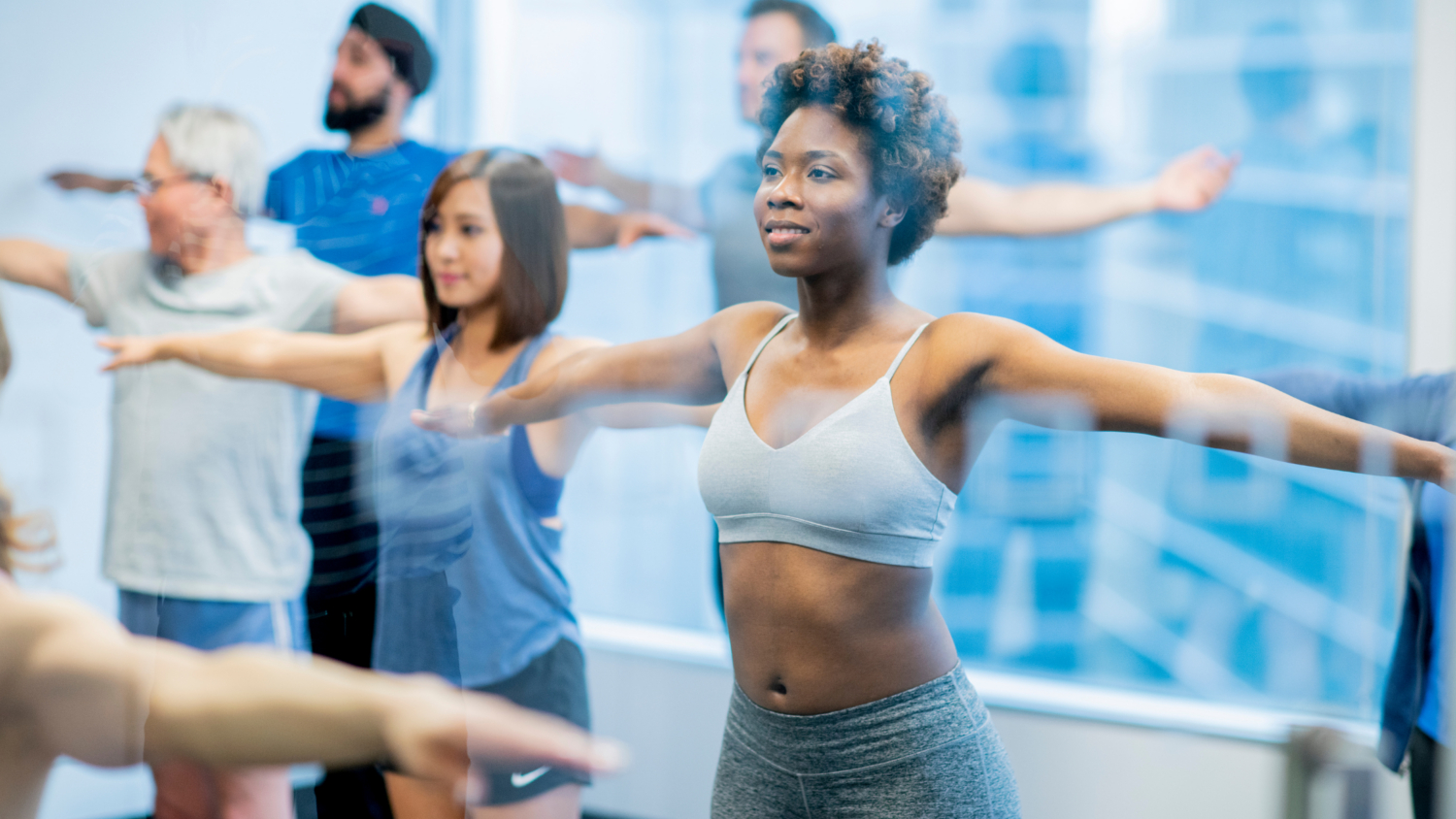
Fitness culture has changed a lot over the past few years. Many people now expect clearer structure and smoother experiences because they are used to polished digital interfaces everywhere else in daily life.
That expectation carries into gyms too.
Modern members appreciate classes where instructions feel organized and accessible from the moment they walk in. They want to know where they are in the workout and what comes next without feeling overwhelmed.
Studies on group exercise continue to show strong benefits tied to community based training, including lower stress levels and higher motivation compared to solo workouts.
Clear communication helps strengthen those positive experiences because participants feel more confident inside the group environment.
The goal is not turning fitness classes into giant television productions. It is creating fewer barriers between the coach and the participant.
That often starts with simple visual clarity.
Final Thoughts
Good group fitness coaching has always depended on communication. Members need to understand the workout clearly before they can fully enjoy it or perform safely. Screens support that process by reducing confusion, improving pacing, and helping instructors focus more attention on actual coaching.
The human side of fitness still matters most. Energy, encouragement, and connection are what keep people coming back. Visual tools simply help deliver those experiences more smoothly.
When technology stays in a supportive role instead of taking over the room, group fitness classes become easier to follow, more welcoming for beginners, and more enjoyable for everyone involved.