The next World Cup will stretch across three countries, 104 matches, late-night kickoffs, nonstop phone alerts, and betting markets that barely get a chance to cool down.
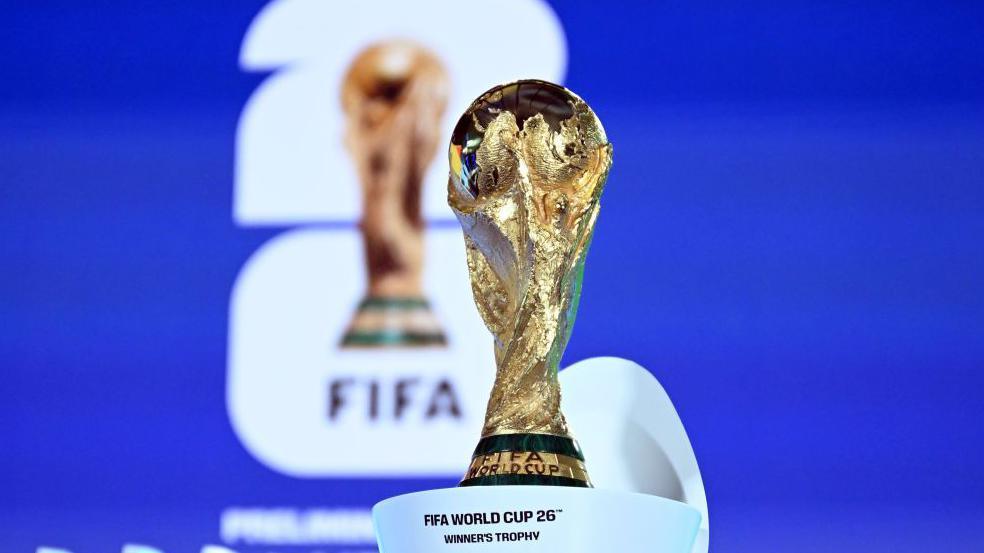
The 2026 FIFA World Cup is going to swallow an entire month of people’s attention. The expanded 104-match schedule will stretch across the United States, Canada, and Mexico, with kickoff times hitting different audiences throughout the day and night. Phones will stay full of lineups, reaction clips, and live odds updates because somebody, somewhere, will always be watching football. FIFA already locked in official betting data distribution for every match, which says plenty about where the sport sits in modern entertainment culture.
The Expanded Tournament Schedule Keeps Fans Engaged Around the Clock
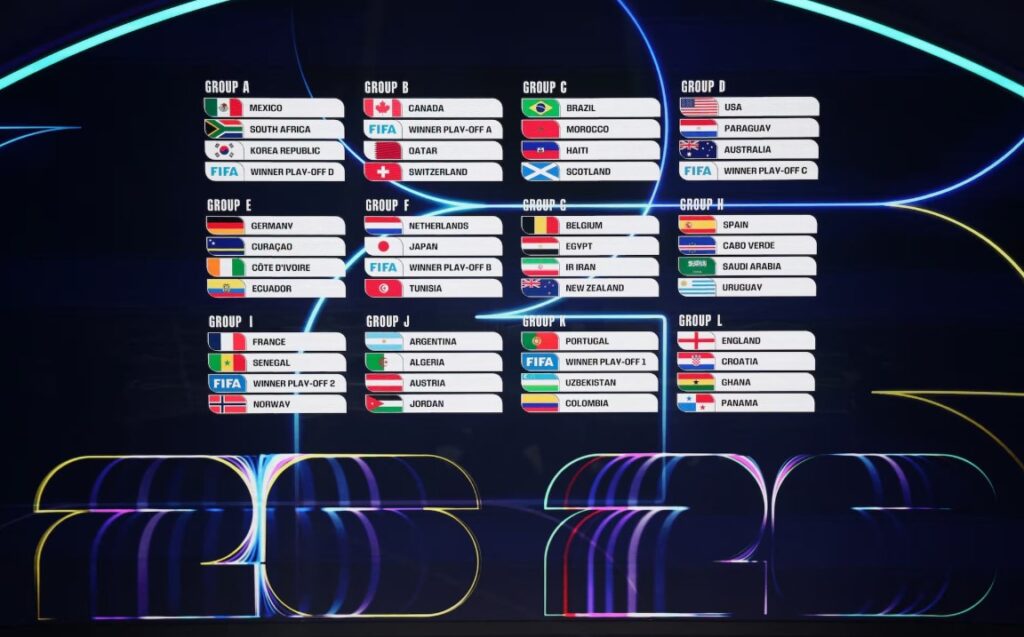
The scale of the 2026 FIFA World Cup changes the rhythm of the tournament completely. FIFA confirmed the competition will expand to 48 teams and 104 matches, up from the 64-match format used in Qatar four years earlier. Group-stage football alone will run almost nonstop for days at a time, especially once different kickoff windows across North America start stacking on top of each other.
That kind of schedule creates constant movement around live odds and mobile wagering. Matchday conversations no longer disappear after the final whistle because another fixture usually starts a few hours later. Mobile betting platforms are getting optimised for football betting and are keeping audiences active between matches through live odds, casino games, crash-style products, and rolling in-play markets tied directly to tournament momentum. Football fans already spend huge stretches of major tournaments glued to their phones; an extra-long World Cup only pushes that behaviour further.
Late-Night Kickoffs Change the Tournament Routine
North American hosting will create strange viewing hours for plenty of international audiences. Supporters in Europe, Africa, and parts of Asia are likely to follow matches late into the night or early in the morning depending on where games are played. The 2022 World Cup final drew 1.5 billion viewers globally, and FIFA expects the expanded 2026 format to attract an even bigger audience because more countries will qualify.
Tournament football already behaves differently from league football because people build entire weeks around it. Offices slow down during major fixtures, WhatsApp groups explode after controversial decisions, and social feeds stay packed with clips within minutes of every goal. The larger schedule means there is hardly any breathing room before another talking point appears.
That constant conversation also feeds live betting activity. Odds move quickly during tournaments because injuries, suspensions, weather conditions, and knockout pressure all change public sentiment fast. A single red card can rewrite the mood around an entire quarterfinal inside five minutes.
Live Casino Games Fill the Gaps Between Matches
The modern betting audience does not disappear once matches finish. Long tournament schedules leave hours between kickoffs, especially during the group stages when supporters follow several teams at once. Betting platforms learned years ago that football audiences tend to stay active during those quieter periods, particularly on mobile.
Crash games picked up serious traction during the last few years because they fit naturally into short viewing windows. Games like Aviator run quickly, work well on phones, and suit the stop-start rhythm surrounding major football tournaments. Live roulette and blackjack fill a similar role because people can dip in for ten minutes while waiting for lineups, team news, or the next kickoff window.
That broader entertainment cycle is now part of football culture itself. Somebody watching Argentina against Nigeria at midnight may still stay inside the same app an hour later checking highlights, browsing live casino tables, or following another match from a different group. The World Cup became a month-long digital routine for millions of people a long time ago, and betting platforms adapted around that reality.
FIFA’s Betting Data Deal Shows the Scale of the Market
FIFA’s partnership with Stats Perform gives a clear picture of how large the betting ecosystem around the tournament became. The agreement covers official betting data and live streaming rights for all 104 matches of the 2026 FIFA World Cup. That includes official live data feeds, Opta statistics, and in-play infrastructure tied directly to sportsbooks around the world.
Those systems exist because live betting traffic exploded during major football tournaments. Every substitution, injury update, booking, and possession stat now feeds directly into constantly moving odds. Football betting moved far beyond simple pre-match predictions years ago; modern platforms react to events almost instantly because audiences expect immediate updates on their phones.
Stats Perform already supplies data services across the Premier League, La Liga, Serie A, and the UEFA Champions League. Bringing that same infrastructure into the 2026 FIFA World Cup tells you how central real-time betting activity became to the broader football economy. The technology behind the tournament now extends far beyond the pitch itself.
The World Cup Has Become a Month-Long Digital Habit
Big tournaments always dominated attention, though the 2026 edition feels built for nonstop engagement in a way previous World Cups never quite managed. More teams mean more storylines; more matches mean more reaction clips, betting swings, lineup debates, and late-night scrolling after dramatic results.
The football itself still sits at the centre of everything, obviously. Nobody watches a World Cup because they love apps or live odds feeds. The surrounding digital ecosystem keeps expanding because modern fans stay connected to tournaments almost constantly once they begin. That pattern becomes impossible to ignore during the jam-packed competition spread across three countries and several time zones.
Tournament Football No Longer Has Downtime
The packed 2026 schedule also changes the emotional pace of the tournament. A bad result hardly gets a full day to breathe before another heavyweight clash arrives and drags attention somewhere else. Supporters will jump from England to Brazil to Argentina to the United States inside the same evening, especially once the knockout rounds begin stacking major fixtures close together.
That nonstop pace suits the way people already consume sport online. Phones stay open during breakfast, during work breaks, and long after midnight once penalties or controversial VAR calls hit social media. The tournament becomes part background noise, part live event, and part rolling conversation that follows people around for weeks. FIFA expanded the World Cup to create a bigger global spectacle; the digital side of football culture already looks ready for it.