
AI is changing how we learn foreign languages. Chatbots can explain grammar, correct mistakes, generate exercises, and provide unlimited conversation practice. For beginners, they offer an affordable, flexible way to learn without fear of embarrassment. As AI improves, however, will human language teachers remain necessary?
The answer is not straightforward.
Learning Russian with an online Russian teacher offers personalized explanations, conversational practice, and essential pronunciation feedback. AI can now replicate some of these experiences at lower costs. Yet language learning involves more than vocabulary and grammar: it requires understanding people, expressing intentions, and responding naturally to unpredictable situations.
How AI Is Transforming Language Learning
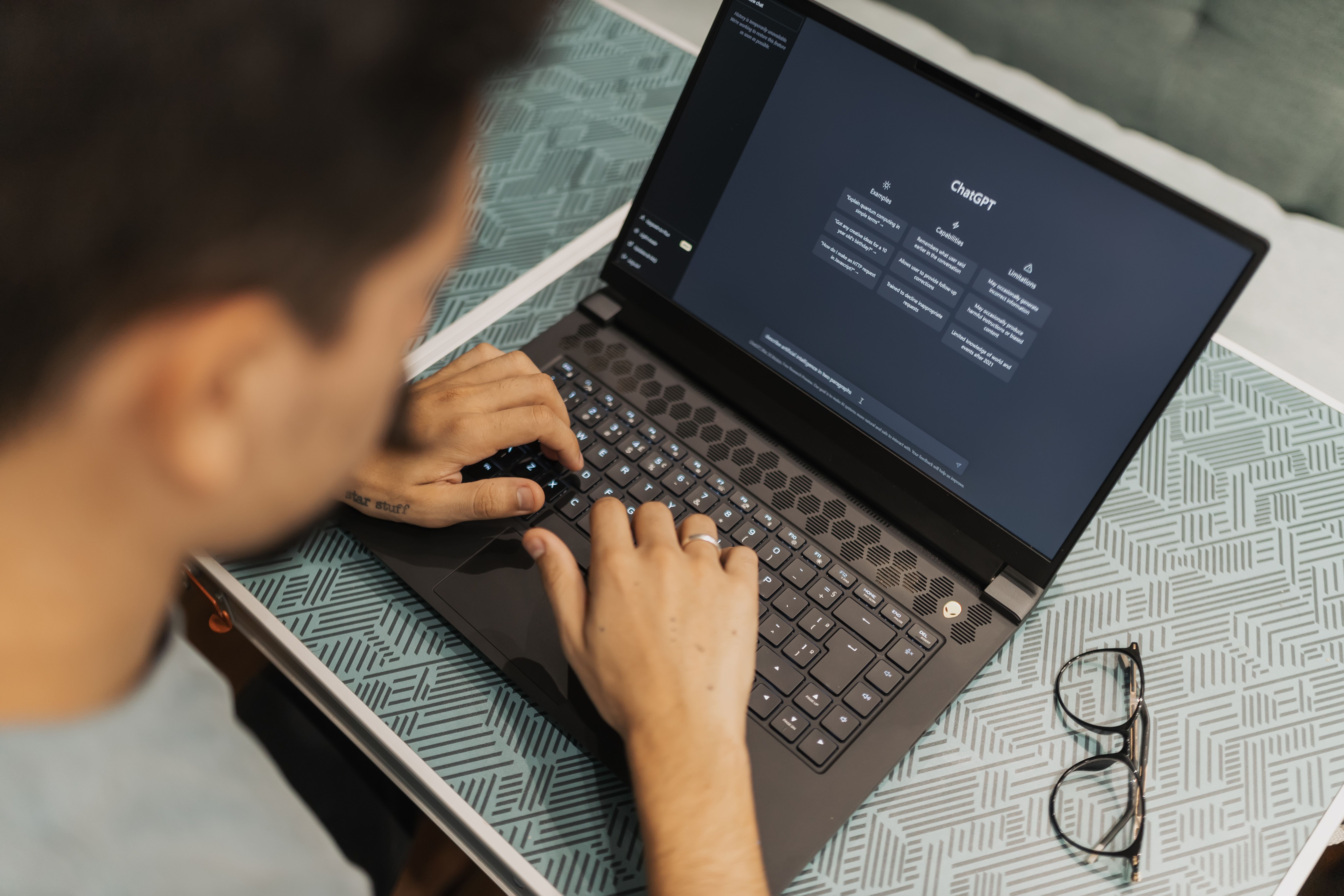
Modern AI language-learning tools can solve tasks that previously required a teacher. They explain unfamiliar expressions and translate sentences. Moreover, they create exercises for specific proficiency levels and simulate dialogues in different situations. Voice-enabled systems also allow students to practice speaking rather than relying only on writing.
Yes, one of AI’s strongest advantages is accessibility. A learner can practice ordering food, preparing for a job interview, or chatting without a lesson. The dialogues repeat as many times as necessary, and you can get feedback on them.
Research supports the effectiveness of these technologies. In 2025, Review of Educational Research published a meta-analysis. It examined 28 studies involving chatbot-assisted language learning. The researchers reported a positive overall effect on language learning compared with conditions without chatbots. However, the results varied according to learners’ characteristics, interaction type, and context.
Also in 2025, another paper analyzed 30 studies of AI-driven chatbots for second-language learning. It found improvements in speaking, writing, vocabulary, and other skills, but also highlighted challenges with emotional engagement and complex communication.
What AI Tutors Already Do Better Than Humans
We must admit that AI offers practical advantages over traditional language lessons in several areas:
- Unlimited practice opportunities. Learners can practice whenever they have time, including late at night or during short breaks.
- Lower learning costs. Many AI tools offer free access or subscriptions that cost less than regular private lessons.
- Personalized explanations. AI can rephrase difficult rules, give examples, and personalize exercises.
- A comfortable learning environment. Beginners can make mistakes repeatedly without shame.
- Immediate feedback. Learners can ask questions about new expressions or mistakes without waiting for their next lesson.
These benefits are relevant to people who have limited budgets, irregular schedules, or little opportunity to speak with natives.
AI also helps teachers prepare materials, identify recurring mistakes, and create exercises for particular students. Here, technology improves learning without replacing the person responsible for teaching.
Where Artificial Intelligence Still Falls Short
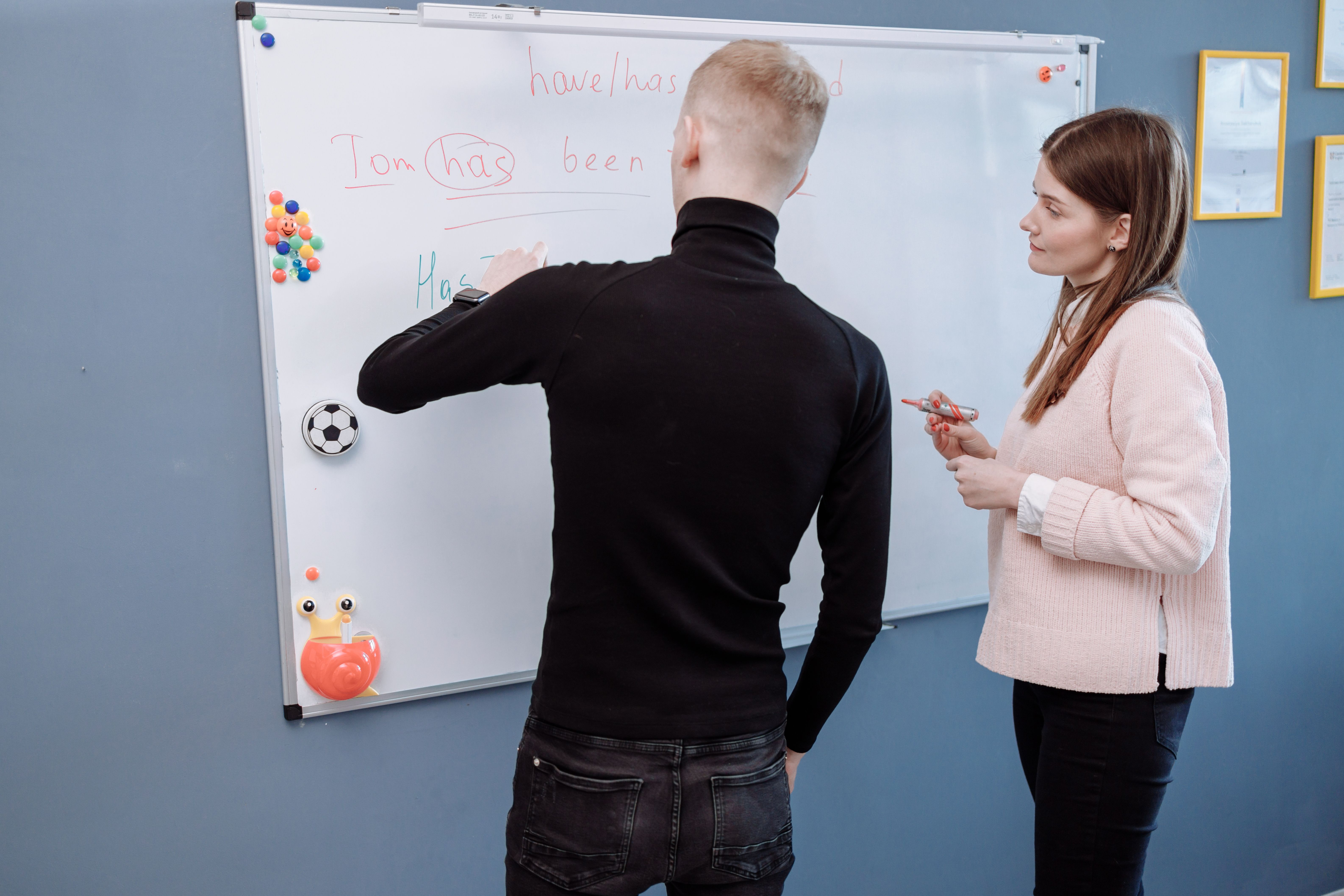
Still, we must say that despite its pros, AI does not reproduce everything that happens during a lesson with a competent language tutor.
One important con is the accuracy of feedback. AI systems sometimes explain incorrectly or recommend weird phrases. They often misunderstand a learner’s intended meaning. Even when an answer is grammatically correct, it may be inappropriate for a particular situation.
Language is closely connected to culture, relationships, and context. A phrase that sounds perfectly fine between friends might be “cringe” in a professional dialogue. Understanding this requires more than repeating grammatical patterns.
Another challenge is the quality of spoken interaction. Speech recognition can misinterpret pronunciation, particularly when learners have strong accents or use unfamiliar words. AI may also fail to recognize hesitation, confusion, or subtle communication problems. An experienced teacher, by contrast, might notice these problems.
A 2024 study published in the International Journal of Social Robotics compared robot-assisted language learning with human tutoring. It focused on speaking ability. The study examined whether robot-assisted language learning could achieve results comparable to human tutoring in English conversation lessons. It highlighted the need to evaluate AI against actual teaching rather than thinking that technological sophistication guarantees equivalent learning.
There is also a more crucial point: language learning involves emotional and social experiences. They cannot be reduced to correcting sentences.
A human tutor recognizes when a student lacks confidence, is frustrated, or needs praise. They can change the lesson’s direction, introducing an unexpected topic. Tutors also explain a lot through personal experience. AI can imitate support, but simulated empathy is not the same as a true human relationship.
Why Real Conversation Partners Still Matter

Take into account what learning a language for real life means. It prepares for situations in which the other person doesn’t follow a script.
Consider that a learner may be able to discuss travel with an AI chatbot but still struggle to understand a native speaker who talks quickly and changes topics unexpectedly. Add humor here as well. This gap between controlled practice and spontaneous speaking is one of the most important challenges.
Real speaking is difficult for learners because of:
- Different accents, speaking speeds, and pronunciation patterns.
- Natural expressions, idioms, and informal vocabulary.
- Unexpected questions and changes in topic.
- Social conventions, humor, politeness, and cultural references.
- The need to clarify misunderstandings and respond without preparation.
A human teacher introduces these challenges while controlling their difficulty. They can also demonstrate how communication works in life. Notice that it includes moments when grammar is imperfect, but meaning remains clear!
Research on chatbot-assisted speaking showed benefits such as lower anxiety and increased willingness to speak. However, a 2024 systematic review of AI chatbots for English speaking practice also emphasized their limitations and the importance of creating better pedagogical approaches.
In other words, yes, AI can help learners speak comfortably. But confidence gained through artificial interaction should be tested in the real world.
Will AI Make Language Teachers More Affordable or Less Necessary?

We’re sure that the future of language education may depend less on whether AI can replace teachers. It’s more about how to combine two approaches.
For learners with less money, AI can provide a nice starting point. Someone studying on their own can build vocabulary, review grammar, and practice listening. Of course, they may develop basic speaking confidence before paying for lessons. This could make languages accessible to people who previously could not afford regular tutoring.
For teachers, personally, it may be a problem. Some traditional responsibilities may become less valuable as automated tools improve. They used to explain basic grammar, create standard exercises, and check straightforward written tasks. All of these, AI can already perform reasonably well.
Professional language teaching won’t disappear. Instead, teachers may concentrate on activities that benefit most from human involvement:
- Identifying why a learner repeatedly makes the same mistakes and choosing appropriate teaching methods.
- Helping students become more confident and effective in spontaneous talks.
- Explaining not only what is wrong but also why a particular phrase sounds unnatural.
- Supporting learners through frustration, slow progress, or declining interest.
- Explaining the social expectations and communication styles associated with different languages.
UNESCO’s 2023 guidance on generative AI in education supports such skills. It advocates a human-centered approach: human agency and the responsible integration of technology.
The Most Effective Approach May Combine AI and Human Teaching
AI is particularly useful for frequent, low-pressure practice. A tutor can then help learners apply their knowledge and correct recurring problems. Mind that they assist in developing the communication skills that automated exercises cannot fully reproduce.
A practical learning routine might look like this:
- Study vocabulary with AI. Learn new words, review expressions, and generate examples for personal interests.
- Practice speaking on your own. Use conversational AI to rehearse everyday situations and form sentences comfortably.
- Identify typical mistakes. Ask AI to explain errors and suggest exercises that target them.
- Discuss real communication problems. Bring difficult expressions, misunderstandings, or conversation experiences to a human teacher.
- Test progress through real speaking. Practice with tutors, classmates, or natives to assess whether knowledge transfers to real situations.
This combination can make lessons more productive. Students arrive better prepared, while teachers spend less time on repetitive explanations. They have more time to develop students’ practical communication skills.
Importantly, the balance will depend on the learner. Someone preparing for a language examination may need structured instruction and detailed feedback. A traveler might prioritize conversational practice. A person relocating abroad could benefit particularly from cultural guidance and regular interaction with native speakers.
There is no universal shortcut, and AI-only learning may work well for some goals. Nevertheless, learners seeking broad communicative competence should be cautious about treating chatbot conversations as a complete substitute for real-world speaking.
A Future in Which Teachers and AI Work Together
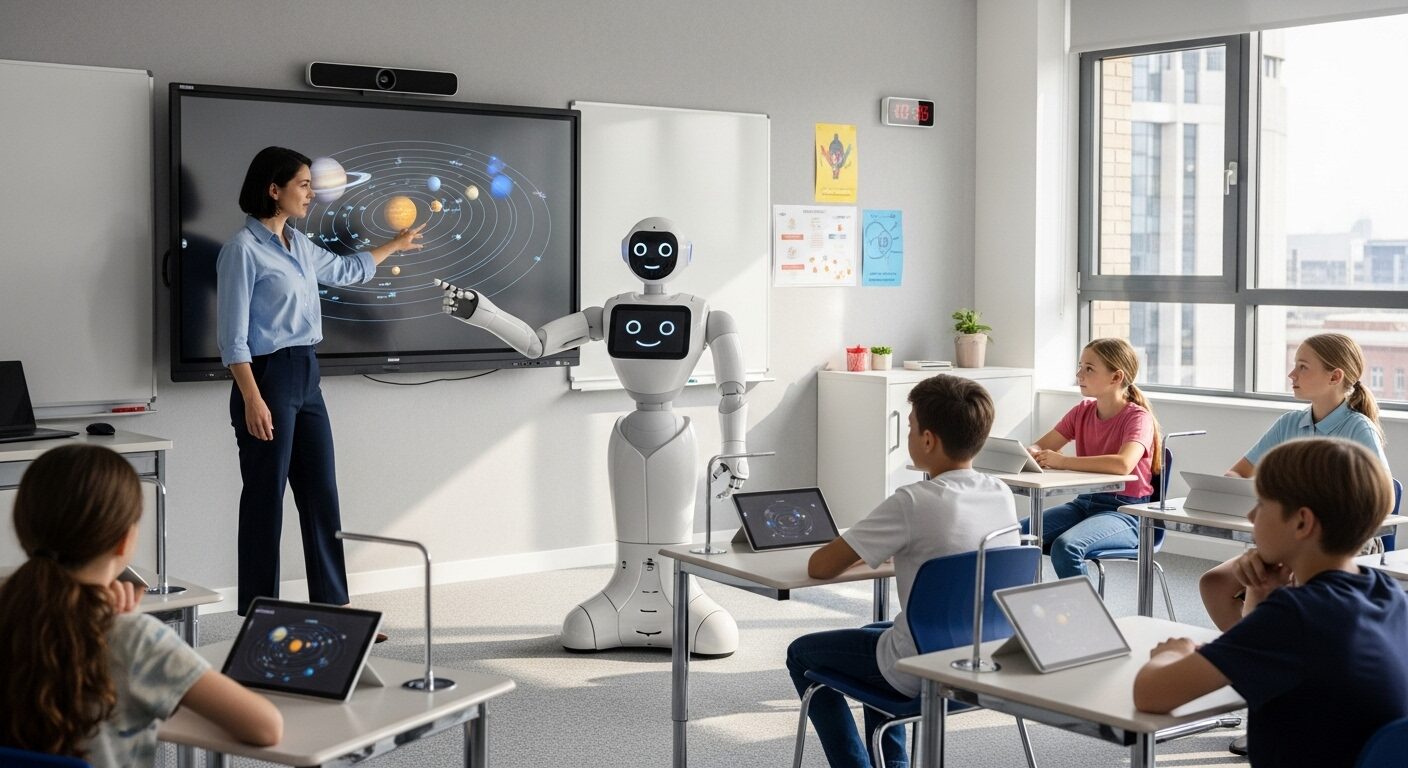
AI language tutors will become increasingly sophisticated, offering more natural conversations, personalized lessons, and realistic practice scenarios. However, they cannot fully replace human mentors, cultural guides, or authentic speaking partners.
AI will likely handle routine tasks such as grammar explanations and immediate corrections, while human tutors help learners develop genuine communication skills. The future of language learning will probably combine the accessibility of AI with the irreplaceable value of human interaction.